# Vocational Education: Building a Skilled Future for India's Youth
India is one of the youngest countries in the world, with millions of students entering the workforce every year. While traditional education provides theoretical knowledge, industries today require professionals who possess practical expertise and job-ready skills. This is where vocational education becomes essential.
## What is Vocational Education?
Vocational education focuses on skill-based learning that prepares individuals for specific careers and industries. Unlike conventional academic programs, vocational courses emphasize practical training, technical knowledge, and hands-on experience.
Fields such as Information Technology, Electrical Work, Mechanical Trades, Computer Applications, Teaching Training, Yoga, Civil Engineering, and other technical sectors offer excellent career opportunities through vocational education.
## Why Vocational Training is Important
### 1. Enhances Employability
Vocational training equips students with industry-relevant skills, making them more attractive to employers. Students gain practical knowledge that can be immediately applied in the workplace.
### 2. Reduces Skill Gap
Many industries struggle to find qualified workers with the right technical skills. Vocational education helps bridge this gap by aligning training programs with industry requirements.
### 3. Promotes Self-Employment
Students can start their own businesses or work as independent professionals after completing vocational courses. This encourages entrepreneurship and economic growth.
### 4. Affordable and Career-Oriented
Compared to many traditional degree programs, vocational courses are often more affordable and provide faster access to employment opportunities.
### 5. Supports National Development
A skilled workforce contributes significantly to industrial growth, innovation, and economic progress. Vocational education plays a crucial role in building a stronger nation.
## Career Opportunities Through Vocational Education
Students completing vocational programs can explore careers in:
* Computer Applications and IT Services
* Electrician and Electrical Maintenance
* Fitter and Mechanical Trades
* Civil Drafting and Engineering Support
* Refrigeration and Air Conditioning
* Automobile and Diesel Mechanics
* Teaching and Early Childhood Education
* Yoga and Wellness Training
* Plumbing and Construction Services
These sectors continue to experience growing demand for trained professionals across India.
## How RIVTC Helps Students Build Successful Careers
Rajasthan Industrial and Vocational Training Center (RIVTC) is committed to providing practical and affordable vocational education. The institution offers a wide range of technical, computer, engineering, and vocational courses designed to prepare students for modern industry requirements. RIVTC focuses on skill development, practical learning, and career advancement opportunities for students from diverse backgrounds.
The organization's mission is to make quality vocational training accessible to students and help them achieve financial independence through skill-based education.
## Conclusion
The future belongs to skilled professionals who can adapt to changing technologies and industry demands. Vocational education is no longer an alternative pathway—it is a powerful route to career success. By investing in skill development and practical training, students can unlock countless opportunities and contribute meaningfully to the nation's growth.
Whether you are a student seeking employment, an entrepreneur planning a business, or a professional looking to upgrade your skills, vocational education can be the key to a brighter future.
Blog
Vocational Education: Building a Skilled Future for India's Youth
01 May, 2026 • By RIVTC
**Tags (comma separated):** Vocational Education, Skill Development, Technical Training, Career Development, Industrial Training, Job Oriented Courses, Professional Skills, Vocational Courses India, Employment Skills, Technical Education, IT Training, Co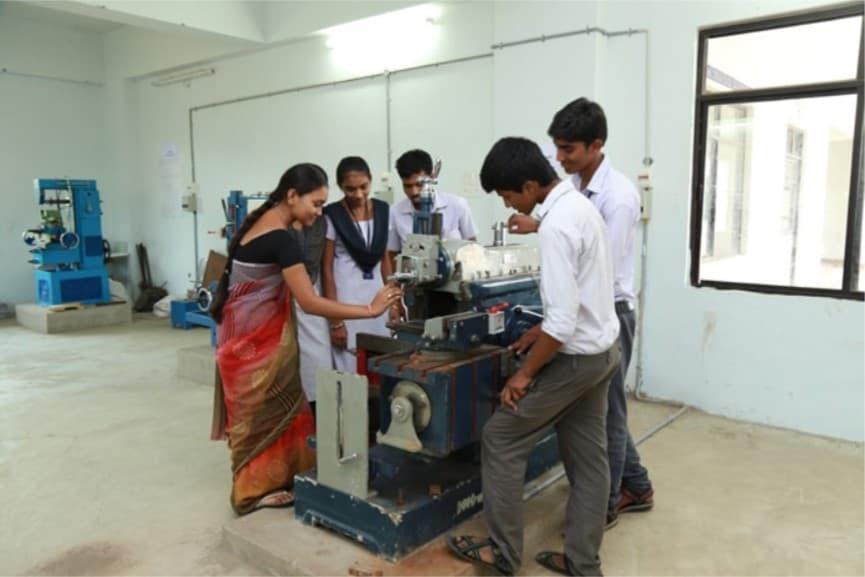
 Call
 Whatsapp